
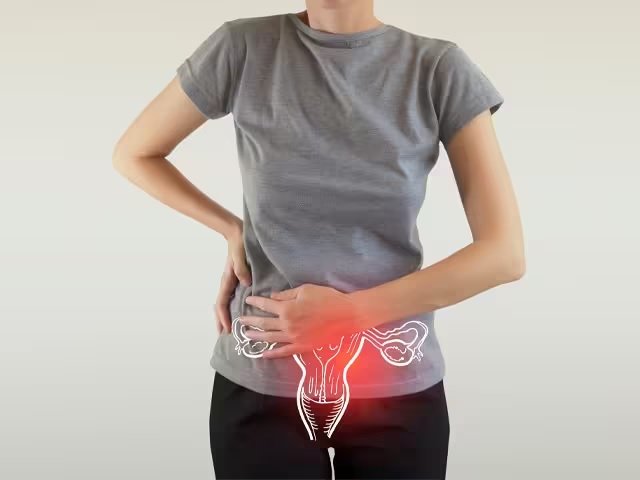
Chronic Pelvic Pain: Causes Beyond Periods
Pain in the pelvis is frequently brushed off as ‘just period pain’ especially if it comes and goes with your period. But any pain that lasts six months or more, happens between periods, or disrupts your daily activities needs to be checked by a medical professional. Chronic pelvic pain may be caused by the reproductive organs, urinary tract, digestive system, pelvic floor muscles or a combination of these factors. Thus, it is important to identify the source because treatment depends on the cause.
If pain keeps returning without an obvious explanation, a search for a “best gyno near me” can help connect you with a specialist who can review your symptoms and decide whether further evaluation is needed.
Common Causes Beyond Menstrual Cramps
Several conditions can contribute to ongoing pelvic discomfort:
1. Endometriosis
Endometriosis is the growth of tissue similar to the lining of the uterus, outside the uterus. It can cause chronic pelvic pain, painful periods, pain during sex and sometimes pain with bowel movements or urination. The pain may be continuous between periods rather than in a regular menstrual pattern.
2. Pelvic Inflammatory Disease
Pelvic inflammatory disease (PID) is an infection of the female reproductive organs; it is commonly associated with sexually transmitted infections. It can lead to lower abdominal pain, abnormal vaginal discharge, fever, painful sex or bleeding between periods. Untreated PID may lead to complications such as infertility and chronic pelvic pain.
3. Ovarian Cysts and Fibroids
Sometimes ovarian cysts can also cause pelvic pressure or pain, particularly if the cyst becomes larger, ruptures, or causes the ovary to twist. Uterine fibroids may also cause pelvic pressure or pain, heavy menstrual bleeding, or urinary symptoms.
4. Bladder and Bowel Conditions
The cause of the pain is not always in the reproductive organs. Bladder problems such as interstitial cystitis can cause pelvic pressure, urinary urgency or pain that varies with bladder filling. Along with bloating, constipation, diarrhoea or altered bowel habits, irritable bowel syndrome (IBS) can cause abdominal or pelvic discomfort.
5. Pelvic Floor Dysfunction
The pelvic floor muscles support the bladder, bowel and reproductive organs. When these muscles are tight or don’t work together properly, this may cause pelvic pain, pain during intercourse, urinary symptoms or pain with bowel movements.
Symptoms That Should Not Be Ignored
Chronic pelvic pain can look different from person to person. Keep track of symptoms such as:
- Pain between periods or throughout the month
- Pain during or after sexual intercourse
- Pain while urinating or passing stools
- Bloating or persistent bowel changes
- Unusual vaginal discharge or bleeding
- Pain that limits work, sleep, exercise, or daily activities
Searching for a “gynaecologist hospital near me” can help find a medical centre where ongoing pelvic symptoms can be evaluated, especially when multiple symptoms occur together. It is important to evaluate pelvic pain and undergo a gynaecological examination.
When to Seek Medical Care?
Search for the best gyno near me and seek medical assessment if you experience the following conditions:
- Pain is persistent, recurrent, worsening
- Sudden severe pelvic pain
- Heavy bleeding
- Fever with significant pain
- Pain during a possible pregnancy
These symptoms can sometimes indicate conditions requiring prompt treatment.
The Cloudnine Advantage
Cloudnine provides comprehensive women’s healthcare delivered by experienced gynaecologists, obstetricians, reproductive specialists and supporting clinical teams. It is based on detailed evaluation, appropriate investigations, personalised treatment and continuity of care. If the pelvic pain has reproductive, fertility, urinary or other issues, then coordinated access to the relevant specialists can make the diagnostic process more complete. The focus on advanced infrastructure and patient-centred consultations means women get care based on their symptoms, not assumptions about the cause.
Conclusion
Chronic pelvic pain should not be accepted as just a normal part of menstruation. Chronic pain may be caused by endometriosis, infections, ovarian problems, fibroids, bladder or bowel issues, and problems with the pelvic floor. Symptoms often overlap, which makes self-diagnosis tricky. Recognising patterns and seeking medical help early can help uncover the cause and facilitate the right treatment.